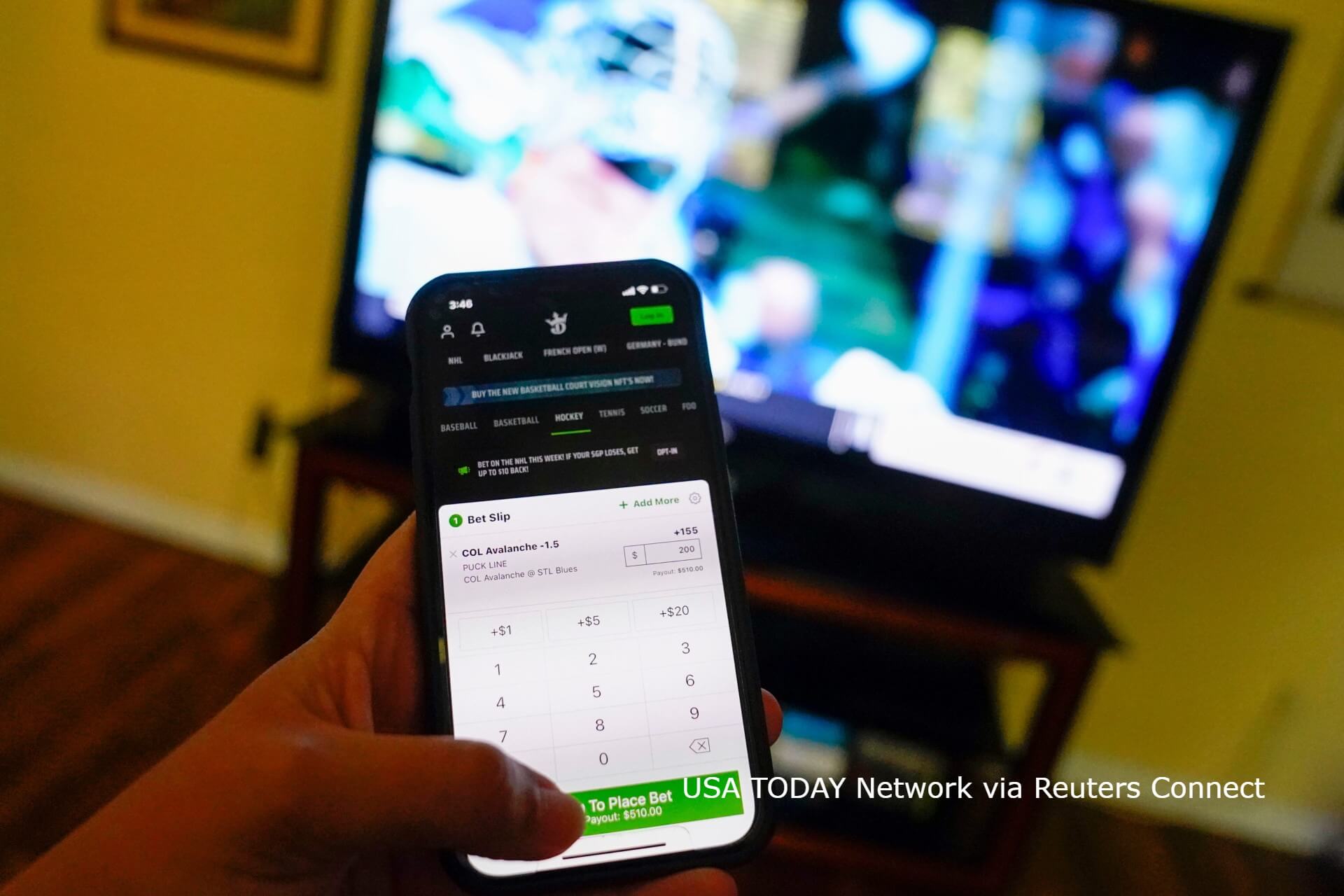

With Maryland sports betting operating successfully within a regulated framework, lawmakers have introduced two new bills targeting online sweepstakes casinos that allow players to convert digital credits into cash or prizes.
House Bill 295 and Senate Bill 112 would classify operating or advertising these platforms in Maryland as a criminal offense, carrying fines between $10,000 and $100,000 and potential jail terms of up to three years.

Details of the Proposed Legislation
Filed on January 14, 2026, the bills aim to tighten oversight of interactive sweepstakes platforms by adding tougher licensing requirements. Current and future license holders would have to disclose any financial, technical, or business ties to sweepstakes-style gaming companies. Regulators could also deny or revoke licenses if operators or partners are linked to unlicensed gaming activity or high-risk jurisdictions flagged by federal or international authorities.
The push follows ongoing warnings from the Maryland Lottery and Gaming Control Agency, which says many sweepstakes operators continue offering casino-style games under the label of “promotional sweepstakes” or “social gaming.” Officials argue that the popular dual-currency model meets the legal definition of gambling because it involves payment, chance, and the ability to win something of value.

Part of a National Crackdown on Sweepstakes Casinos
Maryland’s renewed effort mirrors similar actions across the United States. In 2025, states including California, New York, Tennessee, and Louisiana took steps to close legal loopholes for sweepstakes casinos, enforcing laws against platforms using multi-currency systems.
Sweepstakes industry groups have pushed back, warning that overly broad legislation could impact legitimate promotional campaigns, and some have sought regulation under alternative frameworks like “Social Plus.”
With the backing of Governor Wes Moore and stronger legislative support this year, Maryland appears ready to take a tougher stance on gray-market sweepstakes operators, signaling a shift toward stricter enforcement of state gambling laws.