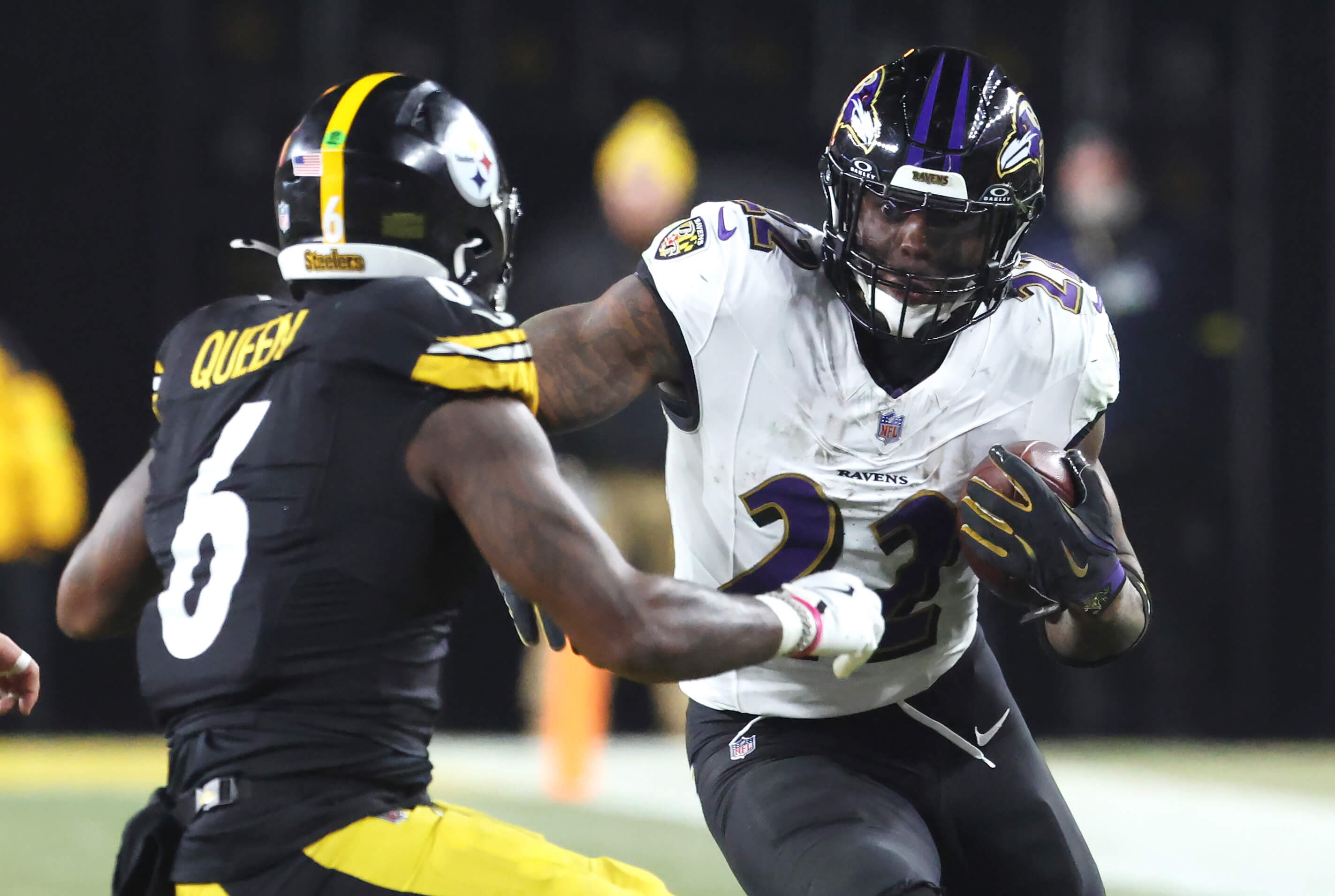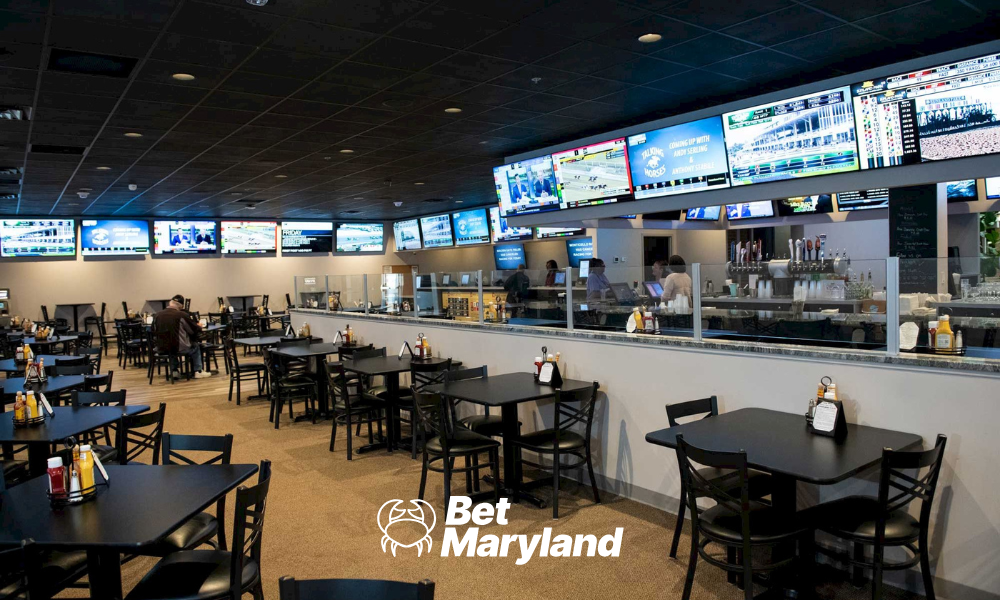

The Maryland sports betting era is booming, with the state setting records nearly every month in 2026. But while sportsbooks thrive, the state's most anticipated gaming expansion, online casino legalization, missed its legislative window for the year.

A Record-Breaking Sports Betting Market
Maryland betting apps handled $535.4 million in wagers in May 2026, the strongest May on record and a 6.14% increase over the same month in 2025. Operators generated $49.6 million in gross gaming revenue at a 12.30% hold, while the state collected $9.9 million in tax, up 27.8% year over year. April was even stronger, with a best-ever $574.2 million in handle and $63.1 million in revenue. Online wagering now accounts for 98.28% of all bets placed, with retail sportsbooks at Maryland's casinos contributing just $9.2 million to May's total handle.
Through the first 11 months of fiscal year 2026, sports wagering has contributed $124.7 million to state coffers. Since the program's launch, cumulative contributions have totaled $271.4 million to the Blueprint for Maryland's Future Fund, $30.7 million to the General Fund, and $5.6 million in expired prizes to the Problem Gambling Fund. It's worth noting that Governor Moore signed legislation raising the mobile sports betting tax rate from 15% to 20%, effective June 2025, and operators appear to have absorbed the increase without disrupting handle growth.

Why iGaming Legalization Missed the Mark in 2026
The headline legislative story in Maryland this year is what didn't happen. Senate Bill 885, championed by Sen. Ron Watson, pitched online casino legalization as a solution to the state's fiscal challenges, projecting up to $1.25 billion in potential tax revenue. The bill received a committee hearing before the Senate Budget and Taxation Committee, but did not advance before the legislative deadline.
Opposition came from multiple directions, including casino worker unions, problem gambling advocates, retail casino operators, and Mark Stewart of the Cordish Companies (owners of Live! Casino) who testified against the measure. Maryland's regular legislative session ended on April 13, 2026, meaning none of the proposed gaming bills (HB 195, HB 295, or HB 1343) became law. The earliest iGaming could realistically launch in Maryland is now 2027, assuming legislators revisit the issue next session.
On a related front, lawmakers showed more unity around cracking down on unregulated operators. SB 652 targets sweepstakes casinos by making it a violation to operate, promote, or knowingly support illegal online gambling, treating such conduct as an unfair or deceptive practice under the Maryland Consumer Protection Act.
Meanwhile, one legal battle continues to unfold: the City of Baltimore's lawsuit against major sportsbooks, including FanDuel, filed in June 2025, alleging predatory marketing practices targeting vulnerable populations under Baltimore's Consumer Protection Ordinance. That case remains active in the courts.